Soundproof
1. Walls
Techniques:
Add a second layer of drywall (with Green Glue damping compound).
Use acoustic panels or fabric-wrapped absorbers.
Fill wall cavities with rockwool or acoustic mineral wool insulation.
Materials:
Mass Loaded Vinyl (MLV)
Soundproof drywall (e.g. QuietRock)
Acoustic foam or wood wool panels
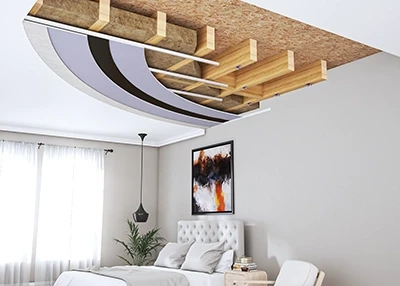
2. Ceiling
Solutions:
Drop ceilings with acoustic tiles.
Resilient channels + double drywall with damping compound.
Use acoustic ceiling clouds or baffles for echo control.
3. Floor
Options:
Add mass with thick carpets or rugs.
Install underlayment like rubber mats or cork.
Use floating floors with acoustic membranes.
4. Doors
Improvements:
Replace with solid core doors.
Add door sweeps and acoustic seals around edges.
Install soundproofing blankets if temporary.
Power House Soundproofing Setup
1. Walls & Ceiling
· Install rockwool core sandwich panels for all vertical and ceiling surfaces.
· Use perforated inner sheet for better sound absorption.
· Ensure overlapping joints are sealed with neoprene or rubber gaskets.
2. Doors
· Use acoustic steel doors filled with mineral wool and rubber seals.
· Consider double-door vestibules for better isolation.
3. Ventilation with Acoustic Louvers
· Fresh air and exhaust openings should be treated with:
o Acoustic louvers (splitter-type with rockwool infill)
o Splitter silencers / baffles for air inlets and outlets
4. Floor
· If floating floor isn't possible, use anti-vibration mats under the generator skid.
· Concrete floor with rubber pad mounts is standard.